
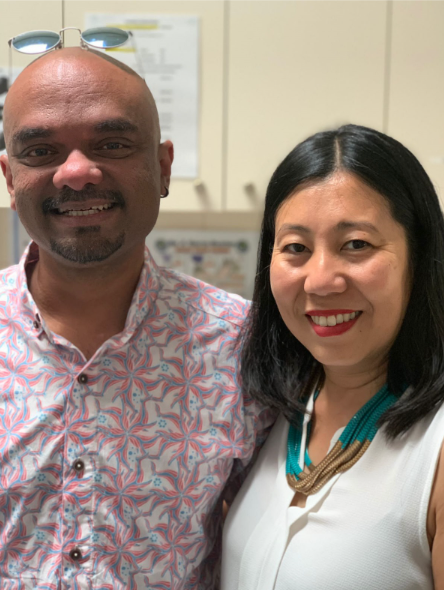
Partner Visa
“Reuniting Couples in Australia’
At Auslife Migration Consultants, we understand the importance of being with your loved one. Our Partner Visa services are designed to help you and your partner build a life together in Australia, whether you’re married, engaged, or in a de facto relationship.
Partner Visa Australia — Onshore, Offshore & Prospective Marriage Pathways
If your partner is an Australian citizen, permanent resident, or eligible New Zealand citizen and you want to build a life together in Australia, the partner visa is the pathway that gets you there. It’s also one of the more complicated visa categories in the Australian system, not because the concept is complex, but because the evidence requirements are extensive, the fees are significant, and a weak application can add months, sometimes years, to your case. At Auslife Migration Consultants, this is one of the visa categories we spend the most time on with clients, precisely because the margin for error is small.
What Is an Australian Partner Visa?
A partner visa allows the spouse or de facto partner of an Australian citizen, permanent resident, or eligible New Zealand citizen to live in Australia, based on evidence that the relationship is genuine and ongoing. Unlike skilled visas, there’s no points test or occupation list — the entire application rests on proving your relationship is real, which means the evidence you gather matters more here than in almost any other visa category.
There are three main pathways, and which one applies to you depends on where you are and your relationship status, not your occupation or qualifications.
Which Partner Visa Pathway Applies to You?
Your physical location at the time of application determines your pathway: onshore (Subclass 820/801) if you’re in Australia, offshore (Subclass 309/100) if you’re overseas, or Prospective Marriage (Subclass 300) if you’re engaged but not yet married and living outside Australia.
Onshore Partner Visa (Subclass 820/801)
For applicants who are in Australia when they apply. You lodge one combined application covering the temporary (820) and permanent (801) stages and pay one government application charge. If you held a valid substantive visa when you applied, you will generally be granted a Bridging Visa A. It normally comes into effect only when your current substantive visa ends. Work rights depend on the conditions stated in the bridging visa grant notice, and Medicare eligibility should be checked separately. A Bridging Visa A does not provide a travel facility, so you must obtain a Bridging Visa B before leaving Australia if you need to travel and return while the application is pending.
Offshore Partner Visa (Subclass 309/100)
Works almost identically to the onshore pathway — combined temporary (309) and permanent (100) stages under one application and fee — but for applicants living outside Australia. There’s no bridging visa involved here, since you’re not holding an Australian visa to bridge from, and you won’t have Australian work rights until the 309 is actually granted. We see this pathway most often with clients whose partner is planning to relocate to Australia together, rather than one partner already being there.
Prospective Marriage Visa (Subclass 300)
For couples who are engaged but not yet married, where the applicant is outside Australia. This is genuinely a single-stage visa with no permanent component of its own — once granted, you generally have 9 to 15 months to enter Australia, marry your partner, and then lodge the onshore 820/801 application, which comes with a reduced government fee since the bulk of the charge was already paid at the 300 stage. One requirement that trips people up: you and your partner need to have met in person before lodging — a purely online relationship doesn’t meet the requirement, regardless of how long you’ve been talking.
How to Apply for an Australian Partner Visa
The application is generally lodged online through ImmiAccount. It is important to submit a complete and well-organised application with the required identity, relationship and sponsor evidence. The Department may ask for further information, but applicants should not assume they will be given an opportunity to fix every omission before a decision is made. Health examinations and police clearances may be provided at lodgement or when requested, depending on the circumstances and current Department instructions.
What Counts as Evidence of a Genuine Relationship?
The Department assesses relationship genuineness across four categories — financial, household, social, and commitment — and the strength of your evidence across all four, not just one, is what determines the outcome.
- Financial — joint bank accounts, shared bills, evidence of financial support between you
- Household — shared address, joint lease or mortgage, shared responsibility for housework or expenses
- Social — how you present as a couple to friends, family, and community; joint invitations, social media, photos over time
- Commitment — the nature and duration of your relationship, any shared long-term plans, and how you refer to each other
We’ve worked with couples who assumed a strong social media presence together was enough evidence on its own — it isn’t, on its own. A well-prepared application usually draws on all four categories with a consistent story across each, rather than leaning heavily on one and leaving gaps in the others.
How Long Does a Partner Visa Take, and What Does It Cost?
Processing times vary and should be checked using the Department of Home Affairs’ current processing-time guide. In most cases, eligibility for assessment of the permanent stage arises about two years after the original partner-visa application date, although some long-term relationships may be assessed differently. The government application charge changes from time to time, so the current amount should be confirmed using the Department’s Visa Pricing Estimator before lodgement.
A few specifics worth knowing:
- The two-year clock for the permanent stage starts from your original lodgement date, not from when your temporary visa is granted — so if your 820 takes 18 months, your 801 eligibility window may already be close to opening by the time you receive the temporary grant
- Applicants who previously held a Subclass 300 pay a substantially reduced fee for the 820/801, since the bulk of the charge was paid at the 300 stage
- Budget separately for health examinations, police clearances, document translations and any other evidence required for your circumstances.
- The lodgement fee is non-refundable, even if an application is withdrawn or refused — which is part of why getting the application right the first time matters so much here
Our Process — What Happens After You Contact Us
- Free initial eligibility check — we confirm which pathway applies to you based on your location and relationship status, and give you an honest read on your evidence strength so far.
- Evidence gap review — we go through the four evidence categories with you and flag where your current documentation is thin, before you spend months gathering the wrong things.
- Application preparation — we help compile a decision-ready application, including sponsor documentation, relationship statements, and supporting evidence, formatted the way the Department expects.
- Lodgement and bridging visa review (onshore applicants) — we lodge the application, check the bridging visa grant and conditions, and explain when it will come into effect.
- Ongoing support through both stages — we stay engaged through the temporary stage decision and help you prepare updated evidence for the permanent stage assessment roughly two years later.
Why Work With an Immigration Lawyer in Melbourne for Your Partner Visa
A genuine relationship still needs to be demonstrated with clear, consistent evidence. If the documents do not adequately address the legal criteria, an application can be delayed or refused. Having an Immigration Lawyer review the evidence before submission can help identify gaps, inconsistencies and issues that may otherwise be overlooked.
We’ve seen genuine, long-term couples run into trouble simply because their evidence leaned entirely on financial records and social media, with almost nothing addressing household or commitment. The relationship was real — the application just didn’t reflect that clearly enough across all four areas the Department actually looks at.
Why Families Choose Auslife
- Operating since 2007, with our Melbourne office open since 2008
- 2,160+ families and individuals guided through their Australian migration journey — including a significant number of partner visa applications
- Led by an Australian Immigration Lawyer who is also a qualified solicitor in both Australia and Malaysia
- Two offices — Kuala Lumpur and Melbourne — supporting couples whether one or both partners are currently overseas
- Multilingual team, fluent in English, Malay, Mandarin, Cantonese, Tamil, and Indonesian, which matters when one partner is more comfortable discussing something this personal in their first language
We do not guarantee visa outcomes. What we can do is give you a clear, honest assessment of your evidence, eligibility and pathway before you commit to a substantial government application charge.
Book Your Free Eligibility Assessment
If you’re not sure which pathway applies to you, or you’re not confident your evidence covers what the Department actually looks for, book a free eligibility check with our Melbourne team before you lodge anything.
- Live, work, and study in Australia
- Access to Medicare, Australia's public healthcare system
- Pathway to permanent residency and Australian citizenship
- Reunite with your partner and establish your life together
To be eligible for a Partner Visa, applicants must:
- Be in a genuine and ongoing relationship with an Australian citizen, permanent resident, or eligible New Zealand citizen
- Married or in a de facto relationship (typically for at least 12 months)
- Provide evidence of the relationship's authenticity, such as joint financial commitments, shared living arrangements, and social recognition
- Meet health and character requirements set by the Australian government
- Have a sponsor who is an Australian citizen, permanent resident, or eligible New Zealand citizen
Partner Visa (Subclass 820/801) – Onshore Application
For applicants currently in Australia:
- Subclass 820: Temporary visa allowing you to stay in Australia while your permanent visa is processed
- Subclass 801: Permanent visa granted after a qualifying period, typically two years after the 820 visa is granted
Partner Visa (Subclass 309/100) – Offshore Application
For applicants outside Australia:
- Subclass 309: Temporary visa permitting entry and stay in Australia
- Subclass 100: Permanent visa granted after a qualifying period, usually two years after the 309 visa is granted
Prospective Marriage Visa (Subclass 300)
For fiancés of Australian citizens, permanent residents, or eligible New Zealand citizens:
- Allows entry into Australia to marry your prospective spouse within 9 to 15 months
- After marriage, applicants can apply for an onshore Partner Visa (Subclass 820/801)
How We Can Assist
Navigating the Partner Visa process can be complex. Auslife Migration Consultants offers:
- Personalized consultations to assess your eligibility
- Comprehensive support in gathering and preparing necessary documentation
Guidance throughout the application process to ensure compliance with current regulations
How do I apply for an Australian partner visa?
You apply through one of three pathways depending on your location and relationship status: onshore (Subclass 820/801) if you’re in Australia, offshore (Subclass 309/100) if you’re overseas, or Prospective Marriage (Subclass 300) if you’re engaged and your partner is outside Australia. The application is lodged online with the Department of Home Affairs, combining both the temporary and permanent stages under one submission.
How much does a partner visa cost in Australia?
The government application charge changes from time to time and should be confirmed using the Department of Home Affairs Visa Pricing Estimator. You should also budget for health examinations, police clearances, translations and professional fees.
How long does a partner visa take to process?
Processing times vary by pathway and individual circumstances. Check the Department of Home Affairs processing-time guide for current figures. The permanent stage is generally considered from about two years after the original application date, although exceptions may apply.
What evidence do I need for a partner visa?
The Department assesses your relationship across four categories: financial (shared finances), household (shared living arrangements), social (how you present as a couple), and commitment (the nature and future plans of your relationship). Strong applications provide consistent evidence across all four, not just one or two.
Can I work in Australia while my partner visa is being processed?
If you apply onshore while holding a valid substantive visa, you will generally be granted a Bridging Visa A that comes into effect when your current visa ends. Your work rights depend on the conditions attached to the visa, so check the grant notice or VEVO. Offshore applicants do not receive an Australian bridging visa through the partner-visa application.
What's the difference between a partner visa and a prospective marriage visa?
A partner visa (820/801 or 309/100) is for couples who are already married or in a recognised de facto relationship. The Prospective Marriage visa (Subclass 300) is for engaged couples who haven’t yet married, where the applicant is outside Australia — after marrying within the visa’s validity period, they then apply for the onshore partner visa at a reduced fee.